
Evidence-based information on supplements that may support cancer treatment and recovery
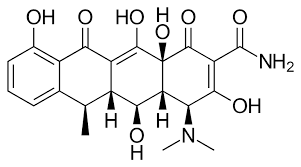
Doxycycline is a broad-spectrum tetracycline-class antibiotic known for its antibacterial, anti-inflammatory, and anti-proteolytic properties. Originally developed to combat bacterial infections, doxycycline has evolved into a multifunctional therapeutic agent used not only in infectious disease management but also in integrative, dermatologic, and oncological medicine due to its regulatory effects on inflammation, enzymes, and cellular signaling.
Doxycycline is valued for its excellent oral bioavailability, tissue penetration, and broad-spectrum efficacy, making it one of the most versatile agents in both conventional and advanced therapeutic protocols.
Doxycycline functions primarily by inhibiting bacterial protein synthesis, binding to the 30S ribosomal subunit to block the addition of amino acids to growing peptide chains. Beyond its antimicrobial action, it also exhibits non-antibiotic properties that influence cellular and molecular pathways relevant to chronic inflammation and tissue remodeling.
At the cellular level, Doxycycline has been shown to:
Inhibit matrix metalloproteinases (MMPs), enzymes that degrade collagen and extracellular matrix, thus preserving tissue integrity
Reduce inflammatory cytokines such as IL-1β, IL-6, and TNF-α
Exert antioxidant effects, reducing reactive oxygen species (ROS) production
Regulate angiogenesis and cell proliferation, influencing processes relevant to wound healing and oncology
Modulate mitochondrial protein synthesis, which can impact metabolic activity in rapidly dividing cells
Interfere with bacterial biofilm formation, improving treatment outcomes in persistent infections
While doxycycline remains a cornerstone in infectious disease control, its broader biochemical actions have expanded its use into multiple therapeutic areas. Research suggests Doxycycline may support:
Antimicrobial protection, effective against respiratory, urinary, dermatologic, and intracellular bacterial infections
Inflammatory regulation, beneficial in conditions such as rosacea, rheumatoid arthritis, and chronic periodontitis
Tissue and collagen preservation, through MMP inhibition that slows connective tissue degradation
Adjunctive oncology and anti-angiogenic support, by limiting abnormal blood vessel growth and tumor microenvironment activity
Neurological and mitochondrial protection, where low-dose doxycycline may influence neuroinflammatory pathways
Post-infectious recovery and immune modulation, reducing chronic low-grade inflammation after bacterial insult
Its dual antibacterial and anti-inflammatory mechanisms make doxycycline a unique pharmacologic bridge between infection control, cellular repair, and systemic balance.
Doxycycline is a semi-synthetic derivative of tetracycline, produced through controlled pharmaceutical synthesis.
It is typically administered in oral (capsule/tablet) or intravenous form, available in dosages ranging from 50 mg to 200 mg daily, depending on therapeutic goals.
In integrative or adjunctive medicine, lower sub-antimicrobial doses (e.g., 20–40 mg daily) are often used for their anti-inflammatory and MMP-inhibitory effects—particularly in dermatology, oncology, and metabolic medicine.
Doxycycline may be combined with:
Antioxidants (vitamin C, NAC, glutathione) to mitigate oxidative load
Mitochondrial cofactors (CoQ10, ALA, carnitine) for cellular support during prolonged therapy
Probiotics and prebiotics, to maintain microbiome balance during or after antibiotic use
Doxycycline represents more than a conventional antibiotic—it is a multi-targeted molecule with powerful anti-inflammatory, anti-proteolytic, and metabolic-regulatory effects.
By modulating both microbial and host pathways, doxycycline supports infection control, tissue repair, and immune equilibrium, while also showing promise in oncology, dermatology, and chronic inflammatory disease management.
As a well-researched, clinically adaptable compound, Doxycycline continues to exemplify the evolution of precision pharmacology—demonstrating how a single molecule can harmonize antimicrobial action with cellular protection and metabolic balance, fostering recovery and resilience across multiple biological systems.
Learn how liquid biopsy and chemo sensitivity testing can personalize your treatment plan.
Gain knowledge to actively participate in treatment discussions with your healthcare team.
Discover how precision medicine and metabolic therapies can enhance treatment effectiveness.
Empower yourself with knowledge about precision metabolic oncology and take an active role in your cancer care journey.
Our team of oncology experts is here to help you understand your diagnosis and treatment options.