

Evidence-based guides to vitamins, minerals, herbal supplements, and sports nutrition—no hype, just facts.
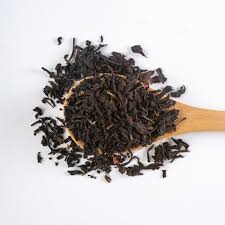
Theaflavins are a group of naturally occurring polyphenols found primarily in black tea, produced from the leaves of the Camellia sinensis plant. They are formed during the fermentation (oxidation) process that converts green tea into black tea, giving black tea its characteristic color, flavor, and aroma.
While green tea is rich in catechins, black tea contains higher levels of theaflavins, which have attracted scientific interest due to their strong antioxidant and biological activities. Black tea has a long history of cultural use across Asia, the United Kingdom, and many other regions, traditionally enjoyed for digestion, vitality, and daily wellness.
Today, theaflavins are available not only through brewed black tea but also as standardized extracts used in supplements and integrative health approaches.
Theaflavins have been widely studied for their biological properties that may help support overall health, especially during periods of physical stress such as cancer treatment.
Together, these properties may contribute to improved resilience, comfort, and overall well-being for cancer patients when used as part of a supportive care approach.
Many cancer patients explore natural compounds like theaflavin to complement their medical care and support daily wellness.
Common reasons include:
Theaflavin is especially appealing to patients who prefer gentle, food-derived compounds with a long history of human consumption.
Theaflavin, particularly when consumed through black tea or standardized supplements, is generally considered well tolerated for most people.
Theaflavin may help support:
Because individual treatment plans vary, patients are strongly encouraged to discuss the use of theaflavin with their oncologist or healthcare team, especially when using high-dose extracts.
The effectiveness of cancer treatment varies among each patient.
Moderation and consistency are key to gaining potential benefits safely.
Modern liquid biopsy tests analyze blood samples to study circulating tumor cells (CTCs). These cells provide real-time insights into cancer activity and biological behavior.
By observing changes at the cellular level, healthcare professionals may better understand how an individual’s body responds over time. This information can help guide more personalized decisions, including which supportive strategies or natural substances may be more suitable for a patient’s unique situation.
This approach encourages thoughtful, individualized care rather than one-size-fits-all solutions.
Theaflavin is a naturally occurring compound derived from black tea with promising supportive properties for cancer patients. When used wisely, it may help support antioxidant balance, inflammation control, and overall well-being.
Natural substances like theaflavin work best when integrated thoughtfully alongside medical treatment, healthy nutrition, and professional guidance. Empowered, personalized decisions remain central to supportive and integrative cancer care.
Khan, N., & Mukhtar, H. (2018). Tea polyphenols in promotion of human health. Nutrients, 11(1), 39.
Leung, L. K., Su, Y., Chen, R., Zhang, Z., Huang, Y., & Chen, Z. Y. (2001). Theaflavins in black tea and catechins in green tea are equally effective antioxidants. Journal of Nutrition, 131(9), 2248–2251.
Pan, M. H., Lai, C. S., & Ho, C. T. (2010). Anti-inflammatory activity of natural dietary flavonoids. Food & Function, 1(1), 15–31.
Sarkar, F. H., Li, Y., Wang, Z., & Kong, D. (2009). Cellular signaling perturbation by natural products. Cellular Signalling, 21(11), 1541–1547.
Yang, C. S., Wang, X., Lu, G., & Picinich, S. C. (2009). Cancer prevention by tea: Animal studies, molecular mechanisms and human relevance. Nature Reviews Cancer, 9(6), 429–439.
Zaveri, N. T. (2006). Green tea and its polyphenolic catechins: Medicinal uses in cancer and non-cancer applications. Life Sciences, 78(18), 2073–2080.
This article is for educational purposes only and is not intended to replace professional medical advice, diagnosis, or treatment. Cancer patients should always consult their doctors or qualified healthcare providers before starting any new supplement or natural therapy.
Precision medicine provides patients with clearer and more personalized treatment guidelines

Learn how precision medicine can help with your cancer treatment

The effectiveness of cancer treatment varies among each patient.