

Evidence-based guides to vitamins, minerals, herbal supplements, and sports nutrition—no hype, just facts.
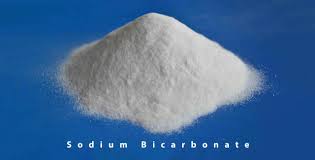
Sodium bicarbonate, commonly known as baking soda, is a naturally occurring compound found in mineral deposits and naturally formed through the evaporation of salt lakes. Chemically known as NaHCO₃, it is a mild alkaline substance that has been used for centuries for cooking, cleaning, digestive comfort, and acid–base balance.
In the medical and wellness world, sodium bicarbonate is known for its ability to buffer acidity, support digestive health, and provide gentle relief for various discomforts. Although simple in nature, this compound has been widely discussed for its potential supportive role in wellness—especially when acidity or digestive stress becomes an issue.
Cancer patients often experience digestive disturbances, acid buildup, or metabolic stress due to both the disease and its treatments. Sodium bicarbonate may offer several supportive benefits:
Acid–Base Balancing Properties
Cancer patients sometimes experience acidic digestive environments, which may contribute to discomfort. Sodium bicarbonate, as a natural alkaline compound, can temporarily neutralize excess stomach acid and support digestive comfort.
Supporting Cellular Environment
While sodium bicarbonate does not treat cancer, maintaining a more balanced internal environment may help patients feel physically more comfortable. A calmer digestive system can support appetite, energy, and overall well-being.
Digestive Relief
Sodium bicarbonate is commonly used for:
These benefits may be especially helpful for patients experiencing nausea or digestive stress from treatments.
General Wellness Support
Because sodium bicarbonate helps manage acidity, some patients find it beneficial during periods of fatigue or physical stress.
It is important to emphasize that sodium bicarbonate is not a cure, but a supportive option that may ease certain discomforts.
Patients may choose sodium bicarbonate because:
For individuals looking for low-cost, gentle support, sodium bicarbonate may be a practical addition to their wellness regimen—always with professional medical guidance.
Safety and Interaction Considerations
Even though sodium bicarbonate is widely available, cancer patients should be cautious:
May It Reduce Side Effects?
Some patients use sodium bicarbonate to help with:
However, this should always be done in moderation and under medical supervision.
The effectiveness of cancer treatment varies among each patient.
Best Timing
Common supportive use includes:
Forms Available
Patients may use sodium bicarbonate as:
Usage Tips
Because sodium bicarbonate affects acid–base chemistry, professional medical guidance is essential, especially for cancer patients.
Modern liquid biopsy technologies can detect circulating tumor cells (CTCs) in the bloodstream. These insights may help patients and clinicians better understand cancer behavior and how the body responds to supportive substances.
Some individuals use this information to help guide their personalized wellness plans, including choosing natural approaches that may complement their health goals.
Sodium bicarbonate is a simple, natural compound that may offer meaningful comfort for cancer patients experiencing digestive acidity or physical stress. While not a treatment for cancer, its ability to balance acidity and support digestion can make a noticeable difference in overall well-being.
When used responsibly and under proper medical supervision, sodium bicarbonate can be a helpful, accessible natural option within an integrative wellness plan.
References
Chen, T. W., et al. (2017). Sodium bicarbonate and its physiological effects on acid–base balance. Journal of Medical Biochemistry, 36(1), 1–7.
Gould, D. W., & Chaudhry, Z. (2019). Managing reflux and acidity in cancer patients. Supportive Care in Cancer, 27(4), 1205–1212.
Kellum, J. A. (2000). Disorders of acid–base balance and clinical implications. Critical Care Clinics, 16(2), 225–244.
Oh, H., & Lee, S. (2016). Digestive comfort agents and patient quality of life during cancer treatment. Integrative Cancer Therapies, 15(1), 20–28.
Wang, Y., & Wang, H. (2019). The role of sodium-based alkalizing agents in supportive care. Nutrition & Metabolism, 16, 38.
This article is for educational purposes only and is not intended to replace professional medical advice, diagnosis, or treatment. Cancer patients should always consult their doctors or qualified healthcare providers before starting any new supplement or natural therapy.
Precision medicine provides patients with clearer and more personalized treatment guidelines

Learn how precision medicine can help with your cancer treatment

The effectiveness of cancer treatment varies among each patient.