
Want to learn how liquid biopsy may help you choose suitable natural substances during your cancer journey?

Science-Backed Nutrition Supplements | Elevate Your Health & Wellness

Evidence-based guides to vitamins, minerals, herbal supplements, and sports nutrition—no hype, just facts.
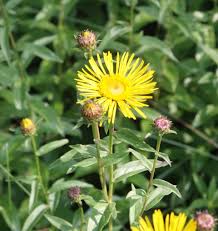
Salicinium

Salicinium (Salicin): A Willow-Derived Compound Supporting Comfort and Balance in Cancer Care

1. Introduction to Salicinium

Salicinium, more commonly known as salicin, is a naturally occurring compound found in the bark of willow trees(Salix species). It is classified as a plant-derived phenolic glycoside and has been used for centuries in traditional herbal practices, particularly in Europe and Asia.

Historically, willow bark preparations were valued for their ability to support comfort, inflammation balance, and general well-being. Salicin is also recognized as the natural precursor to acetylsalicylic acid, although salicinium itself is distinct from synthetic aspirin and is metabolized more gradually in the body.

In modern integrative health, salicinium is explored as a gentle, plant-based option for supporting comfort and inflammatory balance.

2. How Salicinium May Support Cancer Patients

Interest in salicinium for cancer patients centers on its anti-inflammatory and antioxidant-related properties, which may help support overall wellness.

Potential Supportive Mechanisms

Research suggests salicinium may support the body through:

  • Anti-inflammatory pathways, helping maintain tissue comfort
  • Antioxidant activity, supporting protection against oxidative stress
  • Cyclooxygenase (COX) pathway modulation, involved in inflammation signaling
  • Cellular protection, helping cells cope with physiological stress
  • Apoptosis-supporting actions, observed in laboratory research contexts

These mechanisms may help cancer patients feel more comfortable and supported, especially when dealing with inflammation-related discomfort. These effects are supportive, not curative.

3. Why Cancer Patients May Consider Taking Salicinium

Some cancer patients explore salicinium as part of an integrative, comfort-focused care plan.

Common reasons include:

  • Supporting inflammation balance and physical comfort
  • Preference for plant-based, traditionally used compounds
  • Seeking gentle alternatives for long-term use
  • Complementing nutrition, rest, and lifestyle-based care
  • Interest in historically well-documented natural substances

Salicinium is often considered by patients who value natural compounds with long-standing traditional use.

4. Can Patients Use Salicinium During Conventional Cancer Treatment?

Salicinium is generally considered well tolerated when used appropriately, but individual medical situations must be carefully considered.

During Chemotherapy, Targeted Therapy, Radiation, or Immunotherapy

  • Salicinium may help support general comfort and inflammatory balance.
  • It is not proven to treat cancer or to reliably reduce treatment-related side effects such as nausea, fatigue, neuropathy, or inflammation.
  • Its effects are milder and slower compared to synthetic anti-inflammatory drugs.

Important Considerations

  • Salicinium may affect blood clotting pathways in sensitive individuals.
  • Patients with bleeding risks, stomach ulcers, or aspirin sensitivity should exercise caution.
  • Interactions with blood-thinning medications are possible.

Cancer patients should always discuss salicinium use with their oncologist or healthcare provider, particularly if they are receiving treatments that affect blood counts or coagulation.


How to predict whether the treatment will be effective before cancer treatment starts?

The effectiveness of cancer treatment varies among each patient.

5. How and When Cancer Patients Should Take Salicinium

Timing and Use

Salicinium is commonly taken:

  • With meals, to improve stomach tolerance
  • Once or twice daily, depending on formulation and guidance
  • As short- or medium-term support, rather than continuous long-term use

Forms Available

Salicinium may be found as:

  • Willow bark extract
  • Capsules or tablets
  • Powdered herbal preparations
  • Herbal teas (lower potency)

Standardized extracts are often preferred for consistency.

Safety and Quality Tips

  • Choose standardized products from reputable manufacturers
  • Avoid combining with other anti-inflammatory or blood-thinning agents without guidance
  • Start with lower doses to assess tolerance
  • Inform healthcare providers of all supplements being used

Responsible use and professional oversight are essential.

6. How Liquid Biopsy Tests — Especially CTC Analysis — Can Help Personalize Natural Therapies

Modern liquid biopsy tests analyze cancer-related material in the bloodstream, including circulating tumor cells (CTCs).

By studying these cells, clinicians may gain insight into:

  • Cancer cell behavior and inflammatory signaling patterns
  • How the body responds to different supportive and natural strategies

This information supports personalized discussions between patients and doctors, helping guide integrative care decisions in a more individualized way.

7. Conclusion

Salicinium is a willow-derived natural compound with a long history of use for comfort and inflammation balance. In integrative cancer care, it may serve as a gentle, plant-based supportive option when used wisely and under professional guidance.

For cancer patients, the most empowering approach includes:

  • Evidence-informed natural support
  • Personalized decision-making
  • Ongoing collaboration with healthcare professionals

When integrated responsibly, salicinium may contribute to overall comfort, balance, and quality of life alongside conventional cancer treatment.

8. References

  1. Mahdi, J. G. (2014). Medicinal potential of willow: A chemical perspective of aspirin discovery. Journal of Saudi Chemical Society, 18(4), 492–500.
  2. Vlachojannis, J. E., et al. (2011). Efficacy and safety of willow bark extract. Phytotherapy Research, 25(8), 1102–1109.
  3. Shara, M., & Stohs, S. J. (2015). Efficacy and safety of white willow bark. Phytomedicine, 22(4), 400–405.
  4. Chrubasik, S., et al. (2000). Treatment of low back pain with willow bark extract. American Journal of Medicine, 109(1), 9–14.
  5. Raskin, I. (1992). Role of salicylic acid in plants. Annual Review of Plant Biology, 43, 439–463.
  6. Wallace, J. L. (2008). Prostaglandins, NSAIDs, and gastric mucosal protection. Gastroenterology, 134(4), 943–946.


Medical Disclaimer

This article is for educational purposes only and is not intended to replace professional medical advice, diagnosis, or treatment. Cancer patients should always consult their doctors or qualified healthcare providers before starting any new supplement or natural therapy.

Want to learn how liquid biopsy may help you choose suitable natural substances during your cancer journey?

Precision medicine provides patients with clearer and more personalized treatment guidelines

Enquire about liquid biopsy by sending us a message today

Name
Checkboxes

Message us on Whatsapp to know more about liquid biopsy

Learn how precision medicine can help with your cancer treatment

How to predict whether the treatment will be effective before cancer treatment starts?

The effectiveness of cancer treatment varies among each patient.