

Evidence-based guides to vitamins, minerals, herbal supplements, and sports nutrition—no hype, just facts.
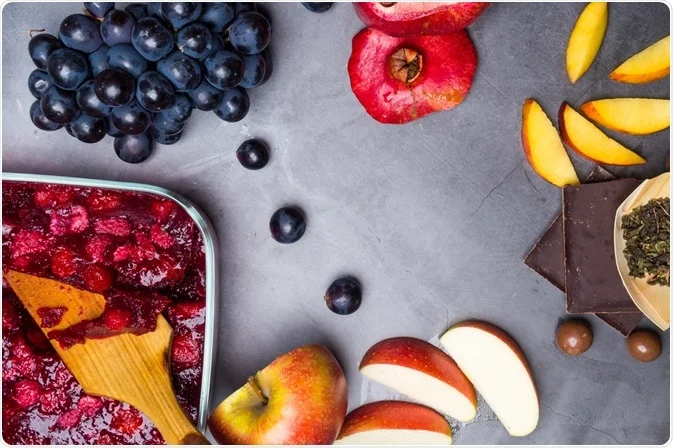
Quercetin is a naturally occurring flavonoid, a type of plant pigment found in many fruits, vegetables, and medicinal plants. It is one of the most studied antioxidants in the nutrition world.
Rich natural sources include:
Pure quercetin supplements are extracted and concentrated from these food sources or botanicals. Because dietary amounts are relatively low, many patients explore supplemental quercetin to achieve higher, more consistent supportive levels.
While quercetin is not a cancer treatment, it offers several supportive properties that may improve comfort and well-being during cancer therapy.
Strong Antioxidant Protection
Cancer patients often experience increased oxidative stress due to treatment and inflammation. Quercetin helps neutralize free radicals, supporting cellular health and resilience.
Anti-Inflammatory Effects
Quercetin may help calm inflammatory pathways, potentially easing discomfort, swelling, and tissue irritation.
Immune System Support
Studies suggest quercetin may help balance immune responses and support general immune wellness, which is helpful during treatment.
Allergy and Histamine Regulation
Quercetin is known as a natural mast cell stabilizer, which may support patients dealing with:
Cellular Wellness Support
Quercetin influences various pathways involved in cellular repair, energy metabolism, and detoxification.
These combined benefits make quercetin one of the most versatile natural flavonoids used in integrative wellness.
Cancer patients may choose quercetin because:
For patients looking for a multi-function natural supplement, quercetin is often a top choice.
Safety and Interactions
Quercetin is generally safe, but cancer patients should consult their doctor because:
May It Help Reduce Treatment Side Effects?
Many patients take quercetin to help manage:
Its combined antioxidant and anti-inflammatory effects may help patients tolerate treatment better.
However, timing and dosing should always be supervised by a healthcare professional.
The effectiveness of cancer treatment varies among each patient.
Best Timing
Quercetin is typically taken:
Forms Available
Pure quercetin is available as:
Usage Tips
Modern liquid biopsy tests can detect circulating tumor cells (CTCs) in the bloodstream. These results may help patients and clinicians gain insight into cancer behavior and how their body reacts to supportive substances.
Some individuals use these insights to guide personalized wellness strategies, including determining whether natural compounds like quercetin may be suitable additions to their supportive care plan.
Pure quercetin is a powerful plant flavonoid offering antioxidant, anti-inflammatory, and immune-supportive benefits. For cancer patients, it may help promote resilience, reduce treatment-related discomfort, and support overall well-being.
When used responsibly and with professional guidance, quercetin can be a valuable natural component of an integrative wellness strategy.
References
Boots, A. W., Haenen, G. R., & Bast, A. (2008). Health effects of quercetin: From antioxidant to bioactive. European Journal of Pharmacology, 585(2-3), 325–337.
D’Andrea, G. (2015). Quercetin: A flavonol with multifaceted therapeutic potential. Fitoterapia, 106, 256–271.
Li, Y., et al. (2016). Anti-inflammatory and antioxidant activities of quercetin. Journal of Nutrition and Metabolism, 2016, 1–9.
Kelly, G. S. (2011). Quercetin clinical applications. Alternative Medicine Review, 16(2), 172–194.
Spencer, J. P. (2010). The impact of flavonoids on cognitive and cellular health. Proceedings of the Nutrition Society, 69(2), 244–260.
This article is for educational purposes only and is not intended to replace professional medical advice, diagnosis, or treatment. Cancer patients should always consult their doctors or qualified healthcare providers before starting any new supplement or natural therapy.
Precision medicine provides patients with clearer and more personalized treatment guidelines

Learn how precision medicine can help with your cancer treatment

The effectiveness of cancer treatment varies among each patient.