
Want to learn how liquid biopsy may help you choose suitable natural substances during your cancer journey?

Science-Backed Nutrition Supplements | Elevate Your Health & Wellness

Evidence-based guides to vitamins, minerals, herbal supplements, and sports nutrition—no hype, just facts.
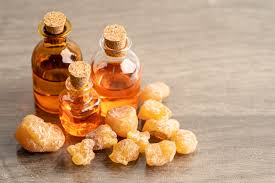
Frankincense

Frankincense: A Traditional Resin Supporting Comfort and Well-Being in Cancer Care

1. Introduction to Frankincense

Frankincense is a natural aromatic resin obtained from trees of the Boswellia genus, particularly Boswellia serrata, Boswellia carterii, and Boswellia sacra. The resin is harvested by making small cuts in the tree bark, allowing a milky sap to harden into resin droplets.

Frankincense has been used for thousands of years across the Middle East, India, Africa, and parts of Asia. Traditionally, it played an important role in Ayurvedic medicine, Traditional Chinese Medicine, and ancient Egyptian and Greek practices. Historically, it was valued for supporting inflammation balance, respiratory comfort, digestion, and spiritual well-being.

Today, frankincense is widely used in extracts, capsules, oils, and powders, especially in integrative and supportive care settings.

2. How Frankincense May Support Cancer Patients

The supportive properties of frankincense are largely attributed to its bioactive compounds, especially boswellic acids, which have been studied for their effects on inflammation and cellular signaling.

Potential Supportive Mechanisms

Research suggests frankincense may support overall wellness through:

  • Anti-inflammatory pathways, helping regulate inflammatory responses
  • Antioxidant effects, assisting the body in managing oxidative stress
  • Immune system modulation, supporting balanced immune activity
  • Cellular protection, helping healthy cells cope with stress
  • Apoptosis-supporting actions, observed in laboratory research settings

Together, these properties may help cancer patients feel more comfortable and supported, particularly when inflammation or physical discomfort is present. These effects are considered supportive, not curative.

3. Why Cancer Patients May Consider Taking Frankincense

Many cancer patients explore frankincense as part of a holistic or integrative approach to well-being.

Common reasons include:

  • Supporting inflammation balance and physical comfort
  • Interest in natural substances with long traditional use
  • Complementing nutrition, lifestyle, and emotional care
  • Seeking gentle support for joints, digestion, or respiratory comfort
  • Preference for plant-based, non-synthetic options

Its long history and growing scientific interest make frankincense a popular choice among patients looking for natural supportive care options.

4. Can Patients Use Frankincense During Conventional Cancer Treatment?

Frankincense is generally considered well tolerated when used appropriately, but individual circumstances matter.

During Chemotherapy, Targeted Therapy, Radiation, or Immunotherapy

  • Frankincense has been used alongside conventional treatments in supportive care contexts.
  • Its anti-inflammatory properties may help support comfort and quality of life.
  • It is not proven to reduce treatment side effects such as nausea, fatigue, or neuropathy, though some patients report subjective benefits.

Important Considerations

  • High doses may cause digestive upset in some individuals.
  • Essential oils should not be taken internally unless guided by a qualified professional.
  • Potential interactions with medications are not fully understood.

Cancer patients should always discuss frankincense use with their oncologist or healthcare provider, especially during active treatment.


How to predict whether the treatment will be effective before cancer treatment starts?

The effectiveness of cancer treatment varies among each patient.

5. How and When Cancer Patients Should Take Frankincense

Timing and Use

Frankincense is commonly taken:

  • With meals, to improve digestive tolerance
  • Once or twice daily, depending on the formulation
  • As ongoing supportive care, rather than short-term use

Forms Available

Frankincense is available in several forms:

  • Capsules or tablets (standardized Boswellia extracts)
  • Powdered resin
  • Tea or decoction (traditional use)
  • Essential oil (for topical use or aromatherapy)

Standardized extracts with specified boswellic acid content are generally preferred for consistency.

Safety and Quality Tips

  • Choose products from reputable manufacturers
  • Look for standardized extracts with clear labeling
  • Avoid internal use of essential oils without professional guidance
  • Inform healthcare providers of all supplements being used

Quality and appropriate dosing are key to safe use.

6. How Liquid Biopsy Tests — Especially CTC Analysis — Can Help Personalize Natural Therapies

Modern liquid biopsy tests analyze cancer-related components in the bloodstream, including circulating tumor cells (CTCs).

By studying these cells, clinicians may gain insight into:

  • Cancer cell behavior and biological activity
  • How cancer responds to different supportive strategies

This information can support personalized discussions between patients and doctors, helping guide decisions about which natural substances may best fit an individual’s overall care plan.

7. Conclusion

Frankincense is a time-honored natural resin with growing scientific interest in supportive and integrative cancer care. When used wisely, it may help support inflammation balance, comfort, and overall well-being.

For cancer patients, the most empowering approach combines:

  • Evidence-informed natural support
  • Personalized decision-making
  • Ongoing collaboration with healthcare professionals

Used responsibly, frankincense can be a valuable part of a holistic, patient-centered care strategy alongside conventional cancer treatment.


8. References 

  1. Ammon, H. P. T. (2016). Boswellic acids in chronic inflammatory diseases. Planta Medica, 82(5), 361–374.
  2. Sengupta, K., et al. (2008). A double blind, randomized, placebo-controlled study of Boswellia serrata extract. Arthritis Research & Therapy, 10(4), R85.
  3. Roy, N. K., et al. (2019). Boswellic acids: Chemical properties and biological activities. Molecules, 24(17), 3011.
  4. Efferth, T., et al. (2006). Molecular modes of action of boswellic acids. Biochemical Pharmacology, 71(8), 1131–1140.
  5. Siddiqui, M. Z. (2011). Boswellia serrata: A potential anti-inflammatory agent. Indian Journal of Pharmaceutical Sciences, 73(3), 255–261.
  6. Ernst, E. (2008). Frankincense: Systematic review. British Journal of Clinical Pharmacology, 66(2), 275–276.

Medical Disclaimer

This article is for educational purposes only and is not intended to replace professional medical advice, diagnosis, or treatment. Cancer patients should always consult their doctors or qualified healthcare providers before starting any new supplement or natural therapy.

Want to learn how liquid biopsy may help you choose suitable natural substances during your cancer journey?

Precision medicine provides patients with clearer and more personalized treatment guidelines

Enquire about liquid biopsy by sending us a message today

Name
Checkboxes

Message us on Whatsapp to know more about liquid biopsy

Learn how precision medicine can help with your cancer treatment

How to predict whether the treatment will be effective before cancer treatment starts?

The effectiveness of cancer treatment varies among each patient.