
Want to learn how liquid biopsy may help you choose suitable natural substances during your cancer journey?

Science-Backed Nutrition Supplements | Elevate Your Health & Wellness

Evidence-based guides to vitamins, minerals, herbal supplements, and sports nutrition—no hype, just facts.
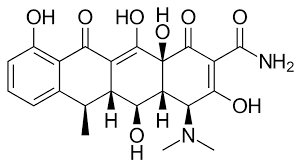
Doxycycline

Doxycycline: Understanding a Repurposed Medication in Supportive Cancer Care

1. Introduction to Doxycycline

Doxycycline is a well-established prescription antibiotic from the tetracycline family. It has been used in clinical medicine for decades, primarily to treat bacterial infections such as respiratory infections, skin conditions, and certain chronic inflammatory disorders.

Doxycycline does not originate from plants, herbs, fruits, or traditional remedies. It is a synthetic pharmaceutical compound, originally developed from tetracycline antibiotics that were first derived from Streptomyces bacteria and later chemically refined.

While doxycycline is not part of traditional or cultural medicine systems, it has gained attention in recent years because researchers have observed biological effects beyond infection control, leading to exploration of its potential supportive and investigational roles in cancer research.

2. How Doxycycline May Support Cancer Patients

Interest in doxycycline within oncology research focuses on its non-antibiotic biological actions, which have been studied in laboratory and early clinical settings.

Potential Supportive Mechanisms (Under Study)

Research suggests doxycycline may influence cellular processes through:

  • Anti-inflammatory effects, helping regulate inflammatory signaling
  • Mitochondrial function modulation, affecting how cells produce energy
  • Matrix metalloproteinase (MMP) inhibition, which may influence tissue remodeling
  • Cellular stress regulation, particularly under metabolic pressure
  • Apoptosis-supporting actions, observed in experimental cancer cell studies

These mechanisms help explain why doxycycline is being explored as a repurposed supportive agent, not as a primary cancer treatment. Its role remains investigational, and findings are still evolving.

3. Why Cancer Patients May Consider Doxycycline

Some cancer patients encounter doxycycline in oncology discussions because it represents a drug-repurposing approach—using existing medications in new supportive contexts.

Common reasons for interest include:

  • Ongoing research into cancer cell metabolism and mitochondrial activity
  • Long clinical history and well-documented safety profile when properly prescribed
  • Exploration of doxycycline in supportive or adjunctive research settings
  • Situations where doxycycline is prescribed for infection prevention or inflammation control during treatment
  • Growing awareness of integrative oncology research

Importantly, patient interest usually comes from scientific literature or clinician discussion, not from natural or over-the-counter health practices.

4. Can Patients Use Doxycycline During Conventional Cancer Treatment?

This section requires particular care, as doxycycline is a prescription medication.

Safety and Medical Oversight

  • Doxycycline is not a standard cancer therapy.
  • It should only be used when prescribed by a qualified healthcare professional.
  • Possible side effects include gastrointestinal upset, photosensitivity, esophageal irritation, and changes in gut microbiota.

During Chemotherapy, Targeted Therapy, Radiation, or Immunotherapy

  • Doxycycline is sometimes prescribed during cancer treatment for infection-related reasons.
  • Research has explored its use alongside cancer therapies, but clear clinical benefit for cancer outcomes is not established.
  • There is no proven evidence that doxycycline reduces common treatment side effects such as fatigue, nausea, neuropathy, or inflammation.
  • Drug interactions depend on the specific cancer treatment regimen.

Cancer patients should never start doxycycline on their own. Any use must be discussed with an oncologist or prescribing physician to ensure safety and appropriateness.


How to predict whether the treatment will be effective before cancer treatment starts?

The effectiveness of cancer treatment varies among each patient.

5. How and When Cancer Patients Should Take Doxycycline

This section is provided for educational understanding only, not as self-treatment guidance.

Forms Available

Doxycycline is available as:

  • Oral capsules or tablets
  • Liquid oral formulations

It is not available as a food, fruit, tea, herbal extract, powder, or dietary supplement.

General Administration Considerations

  • Often taken with a full glass of water
  • Usually avoided right before lying down
  • May be taken with or without food, depending on tolerance
  • Timing and duration depend entirely on the medical indication

Safety Tips

  • Sun protection is important due to photosensitivity risk
  • Long-term use requires medical monitoring
  • Gut health and antibiotic resistance considerations should be addressed

All decisions about doxycycline use must remain clinician-directed.

6. How Liquid Biopsy Tests — Especially CTC Analysis — Can Help Personalize Supportive Strategies

Modern liquid biopsy tests analyze cancer-related material in the bloodstream, including circulating tumor cells (CTCs).

By studying these cells, clinicians may gain insight into:

  • Cancer cell behavior and metabolic characteristics
  • How cancer responds to different biological or metabolic influences

This information can support personalized discussions between patients and doctors when considering supportive or investigational approaches, helping guide decisions within an individualized care plan.

7. Conclusion

Doxycycline is a long-standing antibiotic with a well-defined role in medical care. Its presence in oncology research reflects broader interest in repurposing existing medications to better understand cancer biology and supportive strategies.

For cancer patients, the most empowering approach includes:

  • Understanding the difference between established treatments and investigational support
  • Avoiding self-medication
  • Making decisions in partnership with healthcare professionals

When used appropriately and under medical supervision, discussions about medications like doxycycline can form part of a thoughtful, informed, and patient-centered cancer care journey.

8. References

  1. Lamb, R., et al. (2015). Doxycycline down-regulates mitochondrial biogenesis and metabolism in cancer cells. Oncotarget, 6(11), 9443–9456.
  2. De Luca, A., et al. (2018). Doxycycline inhibits mitochondrial protein synthesis and reduces cancer stem cell survival. Cell Cycle, 17(8), 1031–1045.
  3. Sapadin, A. N., & Fleischmajer, R. (2006). Tetracyclines: Nonantibiotic properties and their clinical implications. Journal of the American Academy of Dermatology, 54(2), 258–265.
  4. Griffin, M. O., et al. (2010). Tetracyclines: A pleiotropic family of compounds with therapeutic potential. American Journal of Physiology, 299(1), C1–C17.
  5. Bahrami, F., Morris, D. L., & Pourgholami, M. H. (2012). Tetracyclines: Drugs with huge therapeutic potential. Mini Reviews in Medicinal Chemistry, 12(1), 44–52.
  6. Skrtic, M., et al. (2011). Inhibition of mitochondrial translation as a therapeutic strategy in cancer. Cancer Cell, 20(5), 674–688.

Medical Disclaimer

This article is for educational purposes only and is not intended to replace professional medical advice, diagnosis, or treatment. Cancer patients should always consult their doctors or qualified healthcare providers before starting any new supplement or natural therapy.

Want to learn how liquid biopsy may help you choose suitable natural substances during your cancer journey?

Precision medicine provides patients with clearer and more personalized treatment guidelines

Enquire about liquid biopsy by sending us a message today

Name
Checkboxes

Message us on Whatsapp to know more about liquid biopsy

Learn how precision medicine can help with your cancer treatment

How to predict whether the treatment will be effective before cancer treatment starts?

The effectiveness of cancer treatment varies among each patient.