

Evidence-based guides to vitamins, minerals, herbal supplements, and sports nutrition—no hype, just facts.
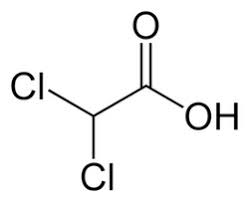
Dichloroacetate (DCA) is a small synthetic metabolic compound that has been studied in medical research for several decades. Unlike vitamins, herbs, or plant extracts, DCA is not derived from natural food or traditional herbal sources. Instead, it is known for its ability to influence how cells generate and regulate energy.
Historically, DCA was researched in metabolic and mitochondrial disorders, particularly conditions involving abnormal energy processing. More recently, it has gained attention in oncology research because of its effects on cellular metabolism, especially how cells use glucose and mitochondria.
Because DCA does not come from traditional medicine systems, its role is best understood as investigational and research-based, rather than a conventional natural supplement.
Interest in DCA comes from its influence on cellular energy pathways, which are known to behave differently in cancer cells compared with healthy cells.
Scientific studies suggest DCA may influence cellular function through:
These mechanisms are still under investigation and do not imply that DCA treats or cures cancer. Rather, they help explain why DCA continues to be studied as a metabolism-focused supportive strategy.
Some cancer patients become interested in DCA because it represents a different way of thinking about cancer support, focusing on metabolism rather than direct cell destruction.
Common reasons include:
This interest is usually driven by scientific discussion and emerging research, not by established clinical guidelines.
This is an important and sensitive topic.
For these reasons, cancer patients should never self-prescribe DCA. Any consideration of its use must involve direct discussion with an oncologist or qualified healthcare provider, ideally within a monitored clinical or research context.
The effectiveness of cancer treatment varies among each patient.
This section is provided for educational understanding only, not as guidance for self-use.
In clinical and research settings, DCA has been administered as:
DCA is not found in foods, fruits, teas, herbs, or natural extracts.
Any unsupervised use carries significant risk and is strongly discouraged.
Modern liquid biopsy tests examine cancer-related material circulating in the bloodstream, including circulating tumor cells (CTCs).
By studying these cells, clinicians may gain insight into:
This information can support personalized medical discussions, helping doctors and patients better understand whether certain investigational or supportive approaches may be worth discussing within an individualized care plan.
Dichloroacetate is a research-focused metabolic compound that has contributed valuable insights into how cancer cells regulate energy. While it continues to be studied, it remains investigational, medically supervised, and outside standard cancer treatment guidelines.
For cancer patients, the most empowering approach includes:
When approached responsibly and with proper medical guidance, discussions around compounds like DCA can be part of a well-informed, patient-centered cancer care conversation — never a replacement for proven treatments.
This article is for educational purposes only and is not intended to replace professional medical advice, diagnosis, or treatment. Cancer patients should always consult their doctors or qualified healthcare providers before starting any new supplement or natural therapy.
Precision medicine provides patients with clearer and more personalized treatment guidelines

Learn how precision medicine can help with your cancer treatment

The effectiveness of cancer treatment varies among each patient.