

Evidence-based guides to vitamins, minerals, herbal supplements, and sports nutrition—no hype, just facts.
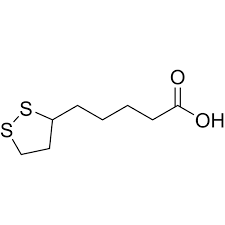
Alpha Lipoic Acid (ALA), also known as thioctic acid, is a naturally occurring compound found in every cell of the human body. It plays an essential role in energy production by helping enzymes convert nutrients into usable energy.
In nature, ALA is present in:
Although the body produces small amounts of this compound, supplemental ALA provides a more concentrated dose, especially for individuals seeking additional antioxidant support. ALA has been widely studied for its ability to combat oxidative stress and support metabolic and neurological health.
Cancer patients often experience high levels of oxidative stress and inflammation due to both the disease and its treatments. ALA is unique because it is one of the few antioxidants that works in both water- and fat-soluble environments, giving it widespread cellular benefits.
Key Supportive Properties for Cancer Patients
While ALA is not a cancer treatment, its ability to enhance cellular resilience makes it a valuable natural option for supportive care.
Patients may consider ALA during their cancer journey because:
This makes ALA especially appealing for individuals who want to strengthen bodily resilience during or after cancer treatments.
Safety and Interactions
Many patients use ALA alongside chemotherapy, targeted therapy, or immunotherapy. Generally, ALA is considered safe, but there are important considerations:
Reducing Side Effects From Cancer Therapy
ALA is commonly explored for its potential to reduce:
Its neuroprotective qualities are one of the main reasons cancer patients consider ALA as part of their supportive regimen.
Always consult your oncologist or medical professional before combining ALA with any conventional therapy.
Best Timing
Forms Available
ALA from food alone is usually insufficient for therapeutic goals, so supplements are the most common option for supportive care.
Usage Tips
The effectiveness of cancer treatment varies among each patient.
Modern liquid biopsy tools can study circulating tumor cells (CTCs) in the bloodstream, offering additional insight into cancer behavior.
Some patients use this information to help guide personalized wellness decisions, including which natural substances or supplements may be more suitable for them.
This approach supports individualized care without replacing conventional treatments.
Alpha Lipoic Acid is a powerful, versatile antioxidant that may offer meaningful support to cancer patients seeking natural options for energy, nerve health, and cellular protection. When used alongside medical guidance, ALA can be a valuable part of an integrative approach to improving comfort, resilience, and overall wellness during cancer care.
References (APA Style)
Biewenga, G. P., Haenen, G. R., & Bast, A. (1997). The role of lipoic acid in the treatment of oxidative stress in various diseases. Life Sciences, 61(6), 637–648.
Moini, H., Packer, L., & Saris, N. E. (2002). Antioxidant and prooxidant activities of lipoic acid and dihydrolipoic acid. Toxicology and Applied Pharmacology, 182(1), 84–90.
Myers, R. R., et al. (2008). ALA and neuropathy: Review of neuroprotective mechanisms. Journal of the Peripheral Nervous System, 13(1), 2–12.
Shay, K. P., Moreau, R. F., Smith, E. J., Smith, A. R., & Hagen, T. M. (2009). Alpha-lipoic acid as a dietary supplement: Molecular mechanisms and therapeutic potential. Biochimica et Biophysica Acta, 1790(10), 1149–1160.
Ziegler, D. (2004). ALA and its role in diabetic neuropathy treatment. Current Diabetes Reviews, 1(1), 45–56.
This article is for educational purposes only and is not intended to replace professional medical advice, diagnosis, or treatment. Cancer patients should always consult their doctors or qualified healthcare providers before starting any new supplement or natural therapy.
Precision medicine provides patients with clearer and more personalized treatment guidelines

Learn how precision medicine can help with your cancer treatment

The effectiveness of cancer treatment varies among each patient.