
Want to learn how liquid biopsy may help you choose suitable natural substances during your cancer journey?

Science-Backed Nutrition Supplements | Elevate Your Health & Wellness

Evidence-based guides to vitamins, minerals, herbal supplements, and sports nutrition—no hype, just facts.
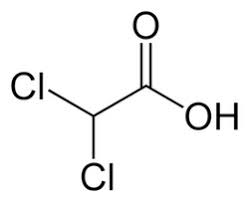
DCA (Dichloroacetate)

DCA (Dichloroacetate): Understanding a Metabolic Approach in Supportive Cancer Care

1. Introduction to DCA (Dichloroacetate)

Dichloroacetate (DCA) is a small synthetic metabolic compound that has been studied in medical research for several decades. Unlike vitamins, herbs, or plant extracts, DCA is not derived from natural food or traditional herbal sources. Instead, it is known for its ability to influence how cells generate and regulate energy.

Historically, DCA was researched in metabolic and mitochondrial disorders, particularly conditions involving abnormal energy processing. More recently, it has gained attention in oncology research because of its effects on cellular metabolism, especially how cells use glucose and mitochondria.

Because DCA does not come from traditional medicine systems, its role is best understood as investigational and research-based, rather than a conventional natural supplement.

2. How DCA May Support Cancer Patients

Interest in DCA comes from its influence on cellular energy pathways, which are known to behave differently in cancer cells compared with healthy cells.

Potential Supportive Mechanisms (Under Study)

Scientific studies suggest DCA may influence cellular function through:

  • Metabolic rebalancing, encouraging cells to shift toward mitochondrial energy use
  • Mitochondrial signaling support, helping normalize energy regulation pathways
  • Apoptosis-supporting actions, observed in laboratory and early clinical research
  • Cellular stress regulation, related to energy and oxygen utilization
  • Indirect effects on inflammatory and metabolic balance, linked to cellular metabolism

These mechanisms are still under investigation and do not imply that DCA treats or cures cancer. Rather, they help explain why DCA continues to be studied as a metabolism-focused supportive strategy.

3. Why Cancer Patients May Consider DCA

Some cancer patients become interested in DCA because it represents a different way of thinking about cancer support, focusing on metabolism rather than direct cell destruction.

Common reasons include:

  • Interest in cancer metabolism and mitochondrial health
  • Curiosity about research exploring non-traditional mechanisms
  • Use within closely supervised integrative or experimental care discussions
  • Desire to understand additional supportive options alongside standard treatment

This interest is usually driven by scientific discussion and emerging research, not by established clinical guidelines.

4. Can Patients Use DCA During Conventional Cancer Treatment?

This is an important and sensitive topic.

Safety and Medical Oversight

  • DCA is not an approved cancer treatment and should never replace standard care.
  • It is a pharmacologically active compound, not a nutritional supplement.
  • Reported side effects in studies include peripheral neuropathy, gastrointestinal discomfort, and changes in liver enzymes.

During Chemotherapy, Targeted Therapy, Radiation, or Immunotherapy

  • DCA has been explored alongside conventional treatments in limited research settings.
  • There is no conclusive evidence that it reduces common treatment side effects such as nausea, fatigue, or neuropathy.
  • Potential interactions with cancer therapies are not fully understood.

For these reasons, cancer patients should never self-prescribe DCA. Any consideration of its use must involve direct discussion with an oncologist or qualified healthcare provider, ideally within a monitored clinical or research context.

How to predict whether the treatment will be effective before cancer treatment starts?

The effectiveness of cancer treatment varies among each patient.

5. How and When Cancer Patients Should Take DCA

This section is provided for educational understanding only, not as guidance for self-use.

Forms and Administration

In clinical and research settings, DCA has been administered as:

  • Oral capsules or liquid formulations
  • Pharmaceutical-grade preparations with controlled dosing

DCA is not found in foods, fruits, teas, herbs, or natural extracts.

Safety Considerations

  • Dosing protocols vary widely across studies
  • Long-term use requires neurological and liver monitoring
  • Product purity and quality are critical and cannot be ensured outside medical supervision

Any unsupervised use carries significant risk and is strongly discouraged.

6. How Liquid Biopsy Tests — Especially CTC Analysis — Can Help Personalize Supportive Strategies

Modern liquid biopsy tests examine cancer-related material circulating in the bloodstream, including circulating tumor cells (CTCs).

By studying these cells, clinicians may gain insight into:

  • Cancer cell metabolism and biological behavior
  • How cancer responds to different metabolic or supportive influences

This information can support personalized medical discussions, helping doctors and patients better understand whether certain investigational or supportive approaches may be worth discussing within an individualized care plan.

7. Conclusion

Dichloroacetate is a research-focused metabolic compound that has contributed valuable insights into how cancer cells regulate energy. While it continues to be studied, it remains investigational, medically supervised, and outside standard cancer treatment guidelines.

For cancer patients, the most empowering approach includes:

  • Clear understanding of what is experimental versus established
  • Thoughtful evaluation of potential risks and benefits
  • Close collaboration with qualified healthcare professionals

When approached responsibly and with proper medical guidance, discussions around compounds like DCA can be part of a well-informed, patient-centered cancer care conversation — never a replacement for proven treatments.

8. References

  1. Bonnet, S., Archer, S. L., Allalunis-Turner, J., et al. (2007). A mitochondria–K⁺ channel axis is suppressed in cancer and its normalization promotes apoptosis. Cancer Cell, 11(1), 37–51.
  2. Michelakis, E. D., Sutendra, G., Dromparis, P., et al. (2010). Metabolic modulation of glioblastoma with dichloroacetate. Science Translational Medicine, 2(31), 31ra34.
  3. Stacpoole, P. W. (2011). The pharmacology of dichloroacetate. Metabolism, 60(7), 929–943.
  4. Dunbar, E. M., Coats, B. S., Shroads, A. L., et al. (2014). Phase 1 trial of dichloroacetate in adults with recurrent malignant brain tumors. Investigational New Drugs, 32(3), 452–464.
  5. Sutendra, G., & Michelakis, E. D. (2013). Pyruvate dehydrogenase kinase as a therapeutic target in oncology. Frontiers in Oncology, 3, 38.
  6. Garon, E. B., Christofk, H. R., Hosmer, W., et al. (2014). Dichloroacetate in oncology: Caution required. Journal of Clinical Oncology, 32(17), 1837–1838.

Medical Disclaimer

This article is for educational purposes only and is not intended to replace professional medical advice, diagnosis, or treatment. Cancer patients should always consult their doctors or qualified healthcare providers before starting any new supplement or natural therapy.

Want to learn how liquid biopsy may help you choose suitable natural substances during your cancer journey?

Precision medicine provides patients with clearer and more personalized treatment guidelines

Enquire about liquid biopsy by sending us a message today

Name
Checkboxes

Message us on Whatsapp to know more about liquid biopsy

Learn how precision medicine can help with your cancer treatment

How to predict whether the treatment will be effective before cancer treatment starts?

The effectiveness of cancer treatment varies among each patient.