
Want to learn how liquid biopsy may help you choose suitable natural substances during your cancer journey?

Science-Backed Nutrition Supplements | Elevate Your Health & Wellness

Evidence-based guides to vitamins, minerals, herbal supplements, and sports nutrition—no hype, just facts.
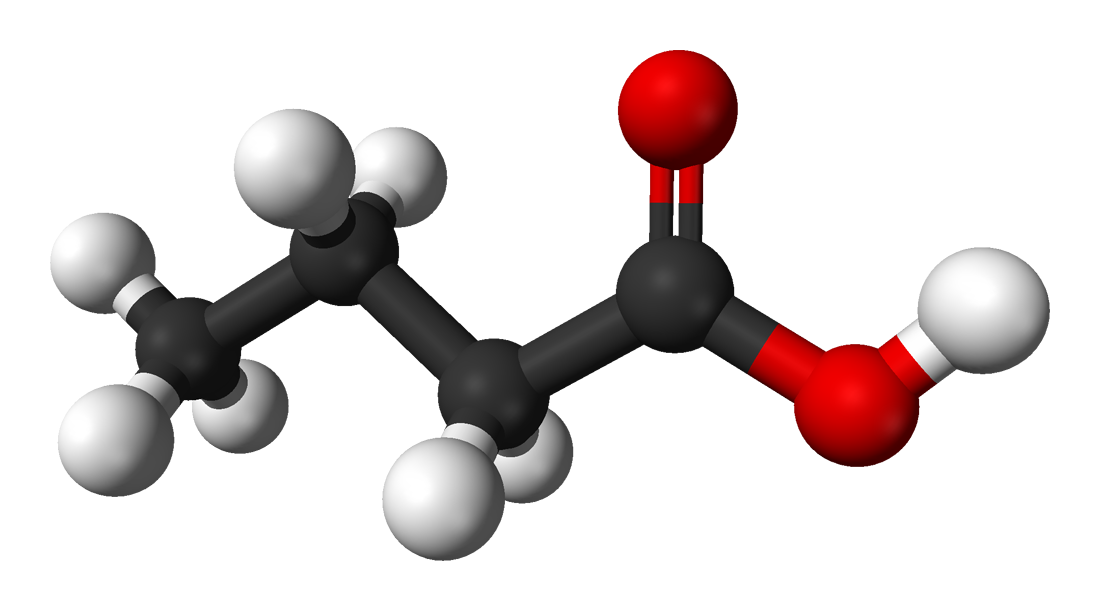
Butyric Acid

Butyric Acid: Supporting Gut Health and Well-Being in Cancer Care

1. Introduction to Butyric Acid

Butyric acid is a naturally occurring short-chain fatty acid (SCFA) that plays an important role in human health, particularly in the digestive system. It is produced in the gut when beneficial bacteria ferment dietary fiber, and it is also found in small amounts in foods such as butter, ghee, cheese, and fermented dairy products.

Rather than originating from a single plant or herb, butyric acid is best understood as a metabolic product of a healthy gut microbiome. Traditional diets rich in whole grains, vegetables, and fermented foods have long supported natural butyrate production, even before its role was scientifically understood.

Today, butyric acid is available in supplement forms (often as sodium butyrate or calcium/magnesium butyrate) and is widely discussed in gut health and integrative care contexts.

2. How Butyric Acid May Support Cancer Patients

Butyric acid is best known for its role in intestinal health and cellular regulation, which can be particularly relevant for individuals undergoing cancer treatment.

Potential Supportive Mechanisms

Research suggests that butyric acid may support overall wellness through:

  • Gut barrier support, helping maintain the integrity of the intestinal lining
  • Anti-inflammatory activity, supporting balanced inflammatory responses in the gut
  • Immune system modulation, influencing immune signaling through the gut–immune axis
  • Cellular energy support, as butyrate is a primary fuel source for colon cells
  • Apoptosis-supporting actions, observed in laboratory studies involving abnormal cells

These mechanisms may help cancer patients maintain digestive comfort, nutrient absorption, and systemic balance, especially during periods of treatment-related stress.

These effects are considered supportive, not therapeutic, and do not replace medical treatment.

3. Why Cancer Patients May Consider Taking Butyric Acid

Many cancer patients explore butyric acid as part of a gut-focused supportive care approach, particularly when digestive health is affected.

Common reasons include:

  • Supporting gut health during or after treatment
  • Managing digestive discomfort, such as bloating or irregular bowel habits
  • Interest in strengthening the gut–immune connection
  • Complementing high-fiber diets and probiotic strategies
  • Growing awareness of the role of the microbiome in overall wellness

Its popularity reflects a broader understanding that digestive health plays a central role in quality of life and resilienceduring the cancer journey.

4. Can Patients Use Butyric Acid During Conventional Cancer Treatment?

Butyric acid is generally considered well tolerated and is often discussed as supportive care alongside conventional cancer treatments, including:

  • Chemotherapy
  • Targeted therapy
  • Radiation therapy
  • Immunotherapy

Important Considerations

  • Butyric acid may help support gut comfort, inflammation balance, and intestinal recovery, which can be affected during treatment.
  • Some individuals may experience mild digestive symptoms when starting supplementation, such as gas or cramping.
  • Interactions with cancer treatments are not commonly reported, but individual circumstances vary.

Cancer patients should always discuss butyric acid supplementation with their oncologist or healthcare provider, particularly if they have gastrointestinal conditions or are undergoing intensive treatment.

How to predict whether the treatment will be effective before cancer treatment starts?

The effectiveness of cancer treatment varies among each patient.

5. How and When Cancer Patients Should Take Butyric Acid

Timing and Use

Butyric acid supplements are commonly taken:

  • With meals, to improve tolerance
  • Once or twice daily, depending on formulation and guidance
  • As ongoing support, particularly during or after treatment

Forms Available

Butyric acid may be found in:

  • Enteric-coated capsules (to reduce odor and improve delivery)
  • Sodium, calcium, or magnesium butyrate supplements
  • Food-based sources that promote natural production (fiber-rich foods)

Foods that support butyrate production include whole grains, legumes, vegetables, fruits, and fermented foods.

Safety and Quality Tips

  • Start with lower doses and increase gradually
  • Choose reputable brands with clear labeling
  • Consider enteric-coated forms for better tolerance
  • Inform healthcare providers of all supplements being used

Supporting natural production through diet remains an important foundation.

6. How Liquid Biopsy Tests — Especially CTC Analysis — Can Help Personalize Natural Therapies

Modern liquid biopsy tests analyze cancer-related components in the bloodstream, including circulating tumor cells (CTCs).

By studying these cells, clinicians may gain insight into:

  • Cancer cell behavior and metabolic activity
  • How cancer may respond to different supportive strategies

This information can help guide personalized discussions between patients and doctors about nutrition, gut health, and natural substances, supporting more individualized care decisions.

7. Conclusion

Butyric acid plays a meaningful role in gut health, immune balance, and cellular support, making it an important consideration in integrative cancer care. When used responsibly, it may help cancer patients maintain digestive comfort and overall well-being during challenging periods.

The most empowering approach combines:

  • Evidence-informed nutritional support
  • Personalized supplementation strategies
  • Ongoing communication with healthcare professionals

Used wisely, butyric acid can complement conventional cancer care and contribute positively to quality of life and resilience.

8. References

  1. Louis, P., & Flint, H. J. (2017). Formation of propionate and butyrate by the human colonic microbiota. Environmental Microbiology, 19(1), 29–41.
  2. Canani, R. B., et al. (2011). Potential beneficial effects of butyrate in intestinal and extraintestinal diseases. World Journal of Gastroenterology, 17(12), 1519–1528.
  3. Hamer, H. M., et al. (2008). Review article: The role of butyrate on colonic function. Alimentary Pharmacology & Therapeutics, 27(2), 104–119.
  4. Donohoe, D. R., et al. (2011). The microbiome and butyrate regulate energy metabolism and autophagy in the mammalian colon. Cell Metabolism, 13(5), 517–526.
  5. Koh, A., De Vadder, F., Kovatcheva-Datchary, P., & Bäckhed, F. (2016). From dietary fiber to host physiology: Short-chain fatty acids as key bacterial metabolites. Cell, 165(6), 1332–1345.
  6. Parada Venegas, D., et al. (2019). Short-chain fatty acids-mediated gut epithelial and immune regulation. Frontiers in Immunology, 10, 277.


Medical Disclaimer

This article is for educational purposes only and is not intended to replace professional medical advice, diagnosis, or treatment. Cancer patients should always consult their doctors or qualified healthcare providers before starting any new supplement or natural therapy.

Want to learn how liquid biopsy may help you choose suitable natural substances during your cancer journey?

Precision medicine provides patients with clearer and more personalized treatment guidelines

Enquire about liquid biopsy by sending us a message today

Name
Checkboxes

Message us on Whatsapp to know more about liquid biopsy

Learn how precision medicine can help with your cancer treatment

How to predict whether the treatment will be effective before cancer treatment starts?

The effectiveness of cancer treatment varies among each patient.