
Evidence-based guides to vitamins, minerals, herbal supplements, and sports nutrition—no hype, just facts.
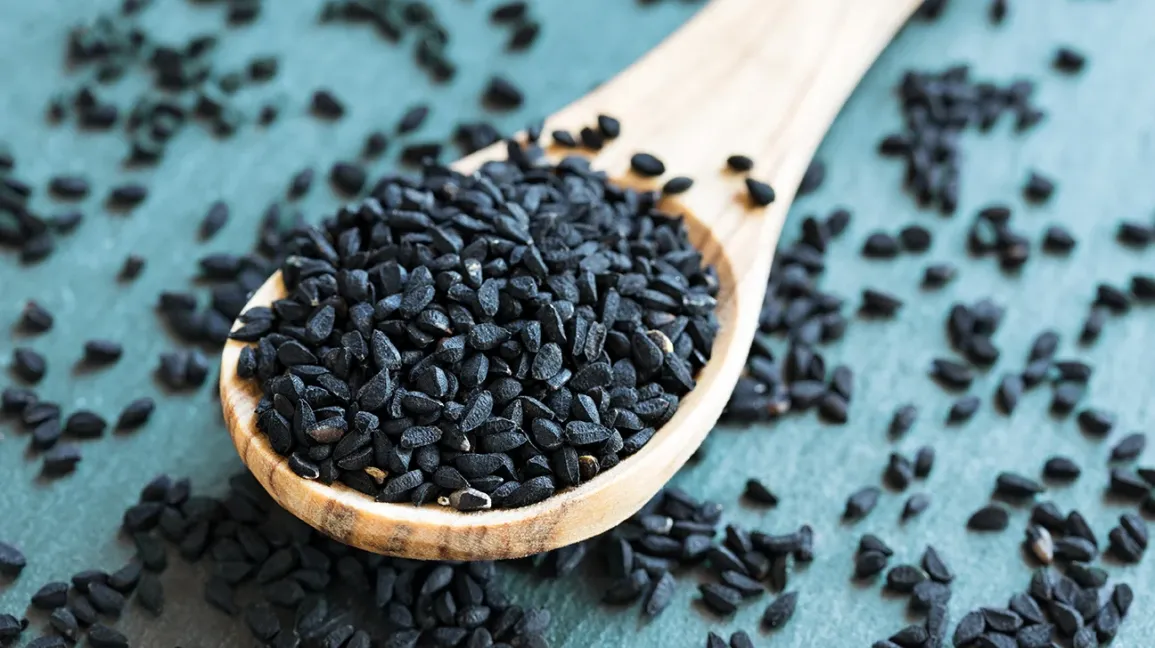
Black cumin, scientifically known as Nigella sativa, is a small flowering plant whose seeds have been used for centuries across the Middle East, South Asia, and North Africa. The seeds—often called black seed or black cumin seed—are distinct from common cumin and are valued both as a culinary spice and a traditional remedy.
Black cumin seeds are plant-derived and contain a range of natural compounds, including thymoquinone, essential fatty acids, and antioxidants. In traditional medical systems such as Unani medicine, Ayurveda, and Middle Eastern herbal traditions, black cumin has been used to support general health, digestion, immune balance, and resilience during illness.
Today, black cumin is widely available as whole seeds, cold-pressed oil, capsules, and standardized extracts, making it accessible for modern supportive care practices.
Black cumin has been studied for its antioxidant, anti-inflammatory, and immune-modulating properties, which may be relevant for overall wellness during cancer care.
Research suggests black cumin may support the body through:
Together, these properties may help cancer patients feel more supported and balanced, particularly during periods of physical or emotional strain. These effects are supportive, not curative.
Many cancer patients explore black cumin as part of a holistic or integrative wellness approach.
Common reasons include:
Its versatility and cultural familiarity make black cumin a popular option among patients seeking gentle, natural supportive care.
Black cumin is generally considered well tolerated when used in moderate amounts, but individual circumstances should always be considered.
Cancer patients should always discuss black cumin use with their oncologist or healthcare provider, particularly during active treatment.
The effectiveness of cancer treatment varies among each patient.
Black cumin is commonly taken:
Black cumin can be taken in several forms:
Cold-pressed oil and standardized capsules are often preferred for consistency.
Quality sourcing and appropriate dosing help ensure safe use.
Modern liquid biopsy tests analyze cancer-related material circulating in the bloodstream, including circulating tumor cells (CTCs).
By studying these cells, clinicians may gain insights into:
This information can support personalized discussions between patients and doctors about nutrition and natural substances, helping guide individualized and informed care decisions.
Black cumin is a time-honored botanical with growing scientific interest in supportive and integrative cancer care. When used responsibly, it may help support antioxidant balance, immune health, and overall well-being.
For cancer patients, the most empowering approach combines:
Used wisely, black cumin can be a meaningful addition to a holistic, patient-centered care strategy alongside conventional cancer treatment.
This article is for educational purposes only and is not intended to replace professional medical advice, diagnosis, or treatment. Cancer patients should always consult their doctors or qualified healthcare providers before starting any new supplement or natural therapy.
Precision medicine provides patients with clearer and more personalized treatment guidelines

Learn how precision medicine can help with your cancer treatment

The effectiveness of cancer treatment varies among each patient.